AI & Creator
How AI Is Changing Content Creation
A practical look at how AI tools are changing creator workflows, from ideation and scripting to editing, repurposing, and audience development.
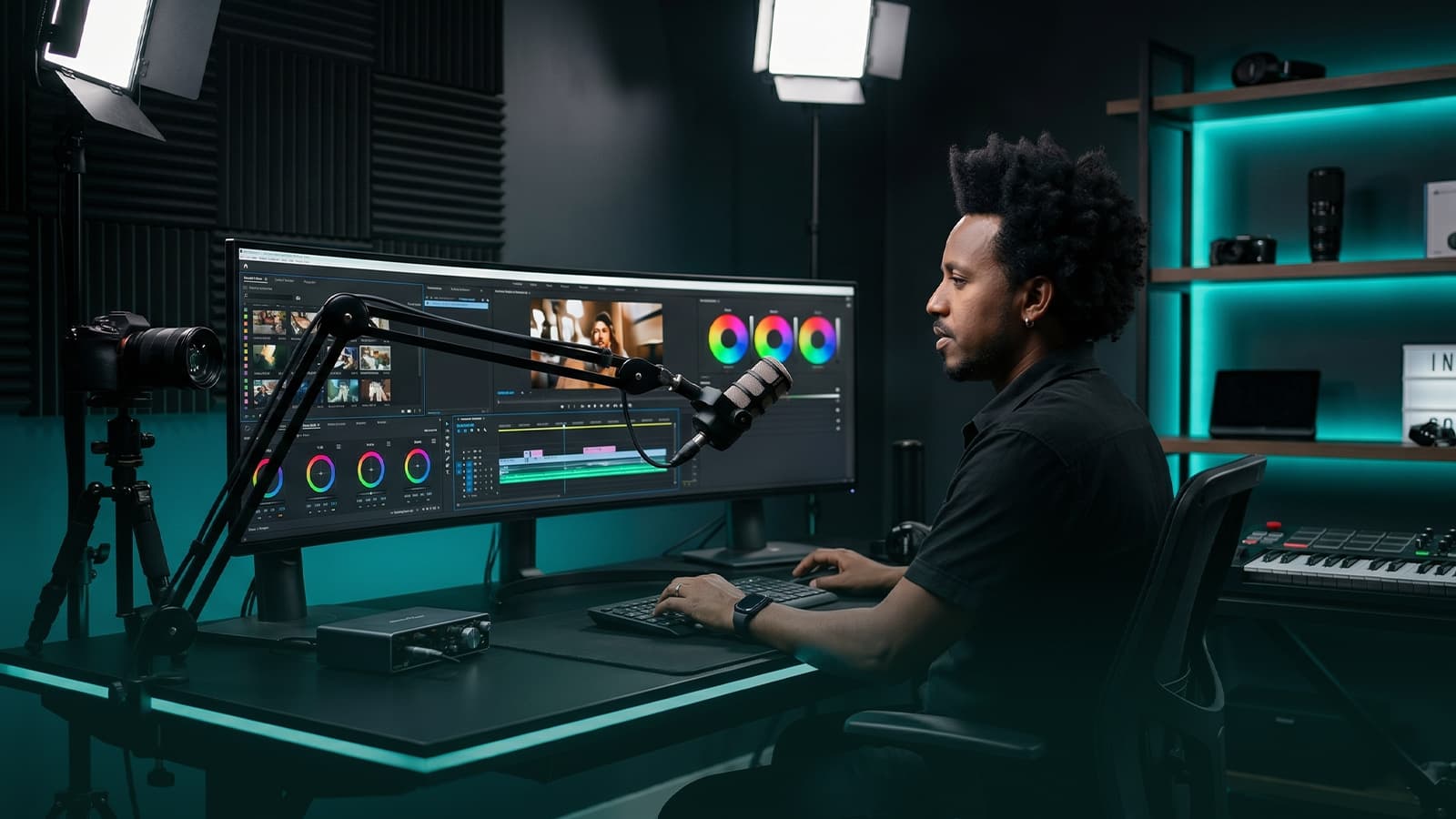
AI is becoming part of the creator workflow
AI is not replacing the creator. It is changing the amount of time a creator spends stuck between an idea and a finished piece of media. For independent creators, that matters. A video, livestream, song rollout, or community post has many small steps: research, outline, hook, title, thumbnail direction, caption, edit notes, clip ideas, and publishing copy. AI tools can help turn those steps into a repeatable system instead of a blank page every time.
The strongest use of AI is not asking it to make generic content. It is using it to sharpen intent. A creator can bring a story, a point of view, or a performance idea, then use AI to test formats, organize talking points, find gaps, and prepare the production. The human taste still leads. AI becomes useful when it helps the creator move faster without flattening the voice that makes the work worth watching.
Better planning before production
Most creator bottlenecks happen before the camera turns on. The idea feels promising, but the angle is not clear. The topic is interesting, but the title is soft. The livestream has energy, but the run-of-show is loose. AI can help creators prepare by turning rough ideas into outlines, episode segments, audience questions, and production checklists. That preparation creates more room for personality during recording because the structure is already handled.
For a brand like Hello G, planning matters because the platform spans entertainment, music, livestreaming, and AI creator culture. Each lane needs a different rhythm. A music video breakdown is not the same as a creator tools guide. A livestream replay is not the same as a short clip. AI can help define the purpose of each format before production begins, which makes the final media feel more intentional.
Repurposing is where AI becomes practical
Creators rarely publish one asset anymore. A livestream can become clips, quotes, community questions, article ideas, titles, descriptions, shorts, and follow-up posts. AI can help identify the strongest moments and suggest how each piece should be framed for a different platform. This does not remove editorial judgment. It gives the creator more options to choose from after the main production is complete.
The important shift is that repurposing becomes part of the original plan. Instead of asking what to do with a two-hour stream after it ends, a creator can design the stream with reusable segments built in. That means clearer openings, stronger transitions, sharper questions, and moments that can stand alone. AI is helpful because it can keep track of that system and turn repeatable production into a normal habit.
AI raises the standard for originality
Because AI makes basic production easier, audiences will notice originality even more. Generic scripts, recycled captions, and lifeless thumbnails will be easier to produce, but they will also be easier to ignore. The creators who win will use AI to increase clarity while protecting taste, humor, timing, cultural context, and point of view. Those are the parts that cannot be automated into a loyal audience.
This is why creator identity matters. Hello G is not just a collection of tools or uploads. It is a media point of view across entertainment, AI, music, livestreams, and community. AI can support that system, but the brand still has to decide what matters, what feels real, what deserves attention, and what should be left out.
The next creator advantage is a system
The creators who benefit most from AI will not be the ones who chase every new tool. They will be the ones who build a simple production system: capture ideas, shape formats, record consistently, repurpose intelligently, publish with context, and learn from audience response. AI can support every step, but the system has to be designed around the creator's actual goals.
For first-time creators and established media brands alike, the lesson is the same. AI is most powerful when it helps creative work become more consistent, more strategic, and more personal. It should reduce friction, not remove the human signal. The future of content creation belongs to creators who can combine speed with taste, and technology with a real relationship to their audience.