Creator Economy
The Future of Independent Creators
How independent creators can build durable media brands through ownership, community, tools, formats, and platform-aware publishing.
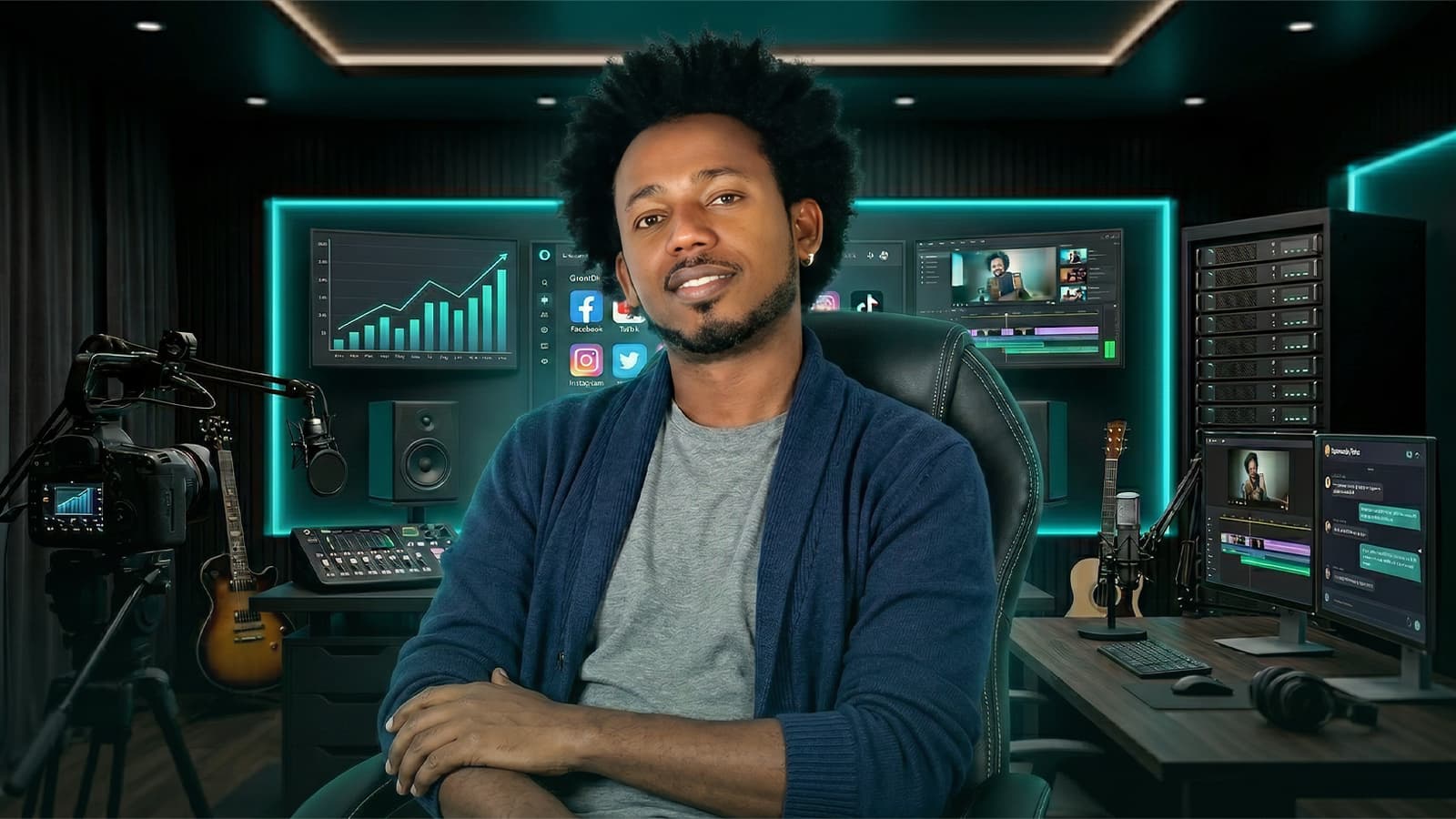
Independent creators are becoming media companies
The independent creator is no longer only a person posting content. More creators are building small media systems: shows, newsletters, video libraries, music releases, community spaces, articles, and live formats. The creator may still be the face, but the work behaves more like a platform than a single feed.
This shift creates opportunity. A creator with a clear brand can build deeper relationships than a traditional media page because the audience knows who is behind the work. At the same time, the creator can organize content like a media company, with categories, formats, archives, and a home base that does not depend entirely on one algorithm.
Ownership matters more than ever
Social platforms are essential for discovery, but creators need owned spaces too. A website gives the brand a stable home. It can explain the mission, collect videos, organize shows, publish articles, share contact information, and connect audiences to official links. This makes the brand easier to understand for fans, partners, search engines, and collaborators.
Ownership does not mean ignoring platforms. It means using them with intention. YouTube can host videos and livestreams. Instagram and TikTok can create discovery. A website can hold the full identity together. The future belongs to creators who understand how each channel supports the larger brand.
Tools will lower the barrier, taste will raise the ceiling
AI and creator tools are making production faster. More people can write scripts, edit clips, design thumbnails, clean audio, and plan campaigns. That is good for independent creators, but it also means the average level of output will rise. Tools will lower the barrier to entry, while taste and trust will become the real difference.
A creator's taste shows up in what they choose to make, how they edit, what they refuse to publish, and how they speak to the audience. Tools can assist, but they cannot create the relationship. Independent creators will need both: efficient systems and a recognizable human signal.
Community becomes the durable advantage
Algorithms can change quickly, but community is harder to copy. When people feel connected to a creator's direction, they are more likely to return, share, comment, submit ideas, and support new formats. Community gives a creator more than reach. It gives feedback, energy, and memory.
This is why live formats, audience submissions, fan challenges, and creator conversations matter. They create participation. A creator who listens well can build programming around what the audience responds to while still maintaining a strong editorial voice. The relationship becomes part of the product.
The future is focused and multi-format
Independent creators do not need to do everything, but they do need a system that can grow. A strong system might include a main video channel, a live show, a music or product destination, a blog for deeper ideas, and a contact path for partnerships. Each piece should have a purpose.
Hello G is built around that kind of future: entertainment, music, AI creator culture, livestreaming, videos, and community in one connected identity. The lesson for independent creators is clear. Build a brand people can understand, create formats people can return to, own the home base, and use tools to make the system more consistent without losing the human voice.
The next stage of independent creation will reward creators who can think like editors, producers, hosts, and community builders at the same time. That does not mean doing every job alone forever. It means understanding how the pieces fit together before expanding the team or the platform. A creator who knows the purpose of each format can collaborate better, delegate better, and protect the identity of the brand as it grows.
This is also why trust will matter more than raw output. Audiences are learning to recognize content made only for volume. Independent creators can compete by being more specific, more useful, and more connected to the people they serve. The future is not just more posts. It is clearer ownership, stronger formats, and creator brands that feel worth following across every channel.